
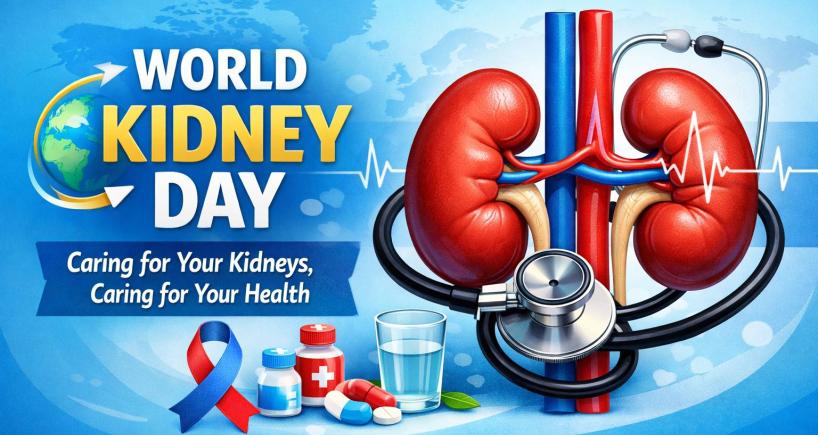
Kidney Health for All
Every year, World Kidney Day reminds us how much our kidney health shapes our overall well-being. The 2026 theme — Kidney Health for All: Caring for People, Protecting the Planet — calls for a fairer, more sustainable approach to kidney care worldwide, closing the gap in access to treatment so that quality care reaches everyone, no matter where they live.
That mission sits close to our own. As a medical facilitation service, our work is connecting patients across the world with accredited kidney specialists and hospitals in India — helping bridge exactly the kind of access gap this year’s theme highlights. The guidance below is informed by the expertise of Dr Sanjeev Gulati, Chairman of Nephrology & Kidney Transplant at Fortis Vasant Kunj, one of India’s leading kidney specialists.
Why Your Kidneys Deserve Attention
Your kidneys quietly do extraordinary work: filtering waste from your blood, regulating blood pressure, balancing fluids, and producing essential hormones. Yet kidney disease frequently goes unnoticed until it reaches an advanced stage. Millions of people live with chronic kidney disease without realising it — which is why prevention matters so much. As Dr Gulati puts it, our kidneys are like diamonds: once they’re significantly damaged, they often can’t be repaired. Protecting them starts long before any problem appears.
The 7 Golden Rules for Healthy Kidneys
1. Don’t smoke. Smoking damages blood vessels and reduces blood flow to the kidneys. If you smoke, quitting is one of the most powerful things you can do for your health.
2. Keep your blood pressure, cholesterol, and blood sugar in check. High blood pressure and diabetes are leading causes of kidney disease. Regular monitoring and good management dramatically lower your risk.
3. Maintain a healthy weight. Excess weight raises the risk of diabetes and high blood pressure, both hard on the kidneys. Balanced eating and regular activity help keep weight and your kidneys in good shape.
4. Eat well and stay hydrated. Go easy on salt, saturated fats, and simple carbohydrates, and build your meals around fruits, vegetables, whole grains, and lean proteins. Drinking enough water helps your kidneys do their job.
5. Be wary of untested remedies. Unscientific or unapproved alternative treatments can contain substances that quietly harm the kidneys. Stick to medically proven care.
6. Don’t self-medicate. Regular overuse of painkillers and certain anti-acidity drugs can damage the kidneys. Always check with a healthcare professional before taking medications routinely.
7. Move your body. Aim for at least 30 minutes of activity, four to five times a week — walking, cycling, swimming, or yoga all count and all support kidney health.
A Shared Responsibility
Protecting kidney health isn’t only a personal task — it’s a global one. Through awareness, prevention, better access to treatment, and more sustainable healthcare, we can build a healthier future for both people and the planet. This World Kidney Day, take a moment to appreciate your kidneys, and commit to caring for them every day.
If You Need Expert Kidney Care
For those already facing kidney disease or needing a transplant, the right specialist can change everything and it shouldn’t depend on where you happen to live. We connect international patients with accredited nephrology and transplant centres in India, help you understand your options and likely costs upfront, and coordinate everything from specialist consultations to travel and aftercare, so expert kidney care is within reach.
Clinical source & credit: This article is informed by the work of Dr Sanjeev Gulati (MD, DNB, DM Nephrology, FRCPC Canada, MNAMS, FIPN, FIAP, FISN), Chairman of Nephrology & Kidney Transplant at Fortis Vasant Kunj. Patients can be connected to Dr Gulati and his team through our service.
We are a medical facilitation service, not a healthcare provider. This article is for general education only and is not medical advice. Always consult a qualified doctor about your individual health.