
Breast Reconstruction Surgery in India
If surgery is part of your breast cancer treatment, you may choose to have breast reconstruction — a procedure that restores the shape and appearance of a breast removed by mastectomy. It’s important to say upfront: this is a highly personal decision, and there’s no single right answer. Some women choose it; others don’t, and both choices are valid. What matters is having the information to decide what feels right for you.
As a medical facilitation service, we don’t provide treatment ourselves — we connect international patients with accredited hospitals and experienced reconstructive surgeons in India. The clinical guidance below is informed by the expertise of Dr Raj Kapadia and the breast reconstruction team at Fortis Hospital, Mulund.
What Is Breast Reconstruction?
Breast reconstruction rebuilds the size and shape of the breast and restores symmetry after a mastectomy (removal of the whole breast) or lumpectomy (removal of the cancer and a small amount of surrounding tissue). The aim is a natural look that helps you feel whole again. It can be done immediately during or right after the cancer surgery or delayed, performed months or even years later once other treatments are complete. Surgeons can rebuild the breast using implants, your own body tissue, or a combination of both.
Is Reconstruction Right for You?
Women choose reconstruction for many reasons: discomfort with a flat chest or prosthesis, the wish to permanently regain breast shape, wanting clothes to fit as before, restoring a sense of femininity and self-confidence, or as part of preventive (prophylactic) surgery after a genetic mutation is found. Equally, you might decide against it if you’d rather avoid further surgery or aren’t well enough for the procedure. There’s no pressure either way — the ultimate goal is always a long, cancer-free life, with reconstruction as an option that serves your wishes.
The Main Options
Implant reconstruction uses a silicone or saline implant to recreate the breast shape. It’s the most common method, with shorter surgery and quicker recovery, sometimes done in stages using a tissue expander first.
Flap (autologous) reconstruction uses your own tissue typically from the lower abdomen, but sometimes the back, thighs, or buttocks — to rebuild the breast. It’s a more complex operation with a longer hospital stay and two surgical sites, but it can give a very natural result. There are several specialised flap techniques (such as DIEP and TRAM), and your surgeon will explain which suits you.
Oncoplastic reconstruction combines cancer removal with plastic surgery in one step, reshaping or lifting both breasts for symmetry — often recommended after a lumpectomy.
Some patients have a combination of implant and flap techniques. Most reconstruction journeys involve more than one operation to reach the final result.
Choosing the Best Method
The right approach depends on several factors: the type and stage of your cancer, the kind of mastectomy you had, whether you’ll need additional treatment like radiation, your age, overall health, body shape, and your own goals for how you’d like to look. A good reconstruction team walks you through the benefits, risks, and limits of each option before recommending the one that fits you.
What the Process Involves
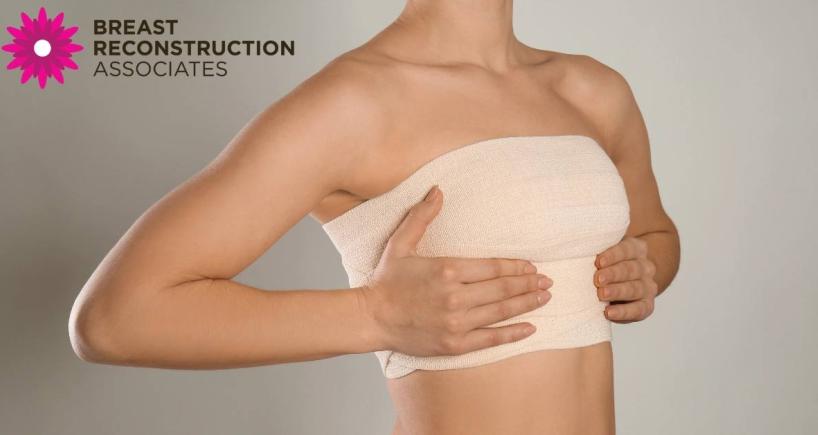
Reconstruction is done under general anaesthesia, so you’re asleep and pain-free throughout. Afterwards, you’ll usually stay in hospital for a few days, may wear a surgical support bra to reduce swelling, and might have a small drain to remove fluid as you heal. You’ll go home with pain relief and clear care instructions, and it’s important to watch for any signs of infection or unusual pain. If you’d like, nipple reconstruction — using surgery, tattooing, or both can be done later, though it isn’t needed if you’ve had a nipple-sparing mastectomy.
Recovery and Honest Expectations
Recovery varies from person to person, but most women return to normal activities within a couple of months, with the final result taking six to twelve months to settle. Regular follow-ups with your oncologist remain essential, including ongoing screening, since reconstruction doesn’t remove the need for cancer monitoring. And one honest point worth knowing: while reconstruction can beautifully restore shape and confidence, a reconstructed breast won’t look or feel exactly as it did before. Knowing that in advance helps you go in with realistic, positive expectations.
As with any surgery, there are risks — including infection, bleeding, swelling, changes in sensation, healing problems, and, less commonly, tissue or implant complications. Your surgical team will discuss all of these with you fully beforehand.
We’re Here to Support You
Choosing reconstruction and arranging it abroad is a significant step, and you shouldn’t have to navigate it alone. We connect you with accredited hospitals and skilled breast and plastic surgeons in India, help you understand your options and likely costs upfront, and coordinate everything from consultations to travel and aftercare, so you can focus on healing and feeling like yourself again.
Clinical source & credit: This article is informed by the expertise of Dr Raj Kapadia and the breast reconstruction team at Fortis Hospital, Mulund. Patients can be connected to Dr Kapadia and the team through our service.
We are a medical facilitation service, not a healthcare provider. This article is for general education only and is not medical advice. All treatment decisions are made by your treating doctors.